Summer is a season with more sun. Many people like to go outside and have fun during this time. The good weather lets us enjoy our day, but it can also cause some big health problems. One of the things people need to watch for in the summer is heat stroke.
Heat stroke is the most unsafe type of heat illness. It can happen when it’s extremely hot and your body overheats. At this point, your body is not able to cool down well. This is very serious, and it can put your life at risk.
It is important to know how to recognise heat stroke, prevent it, and what to do if someone gets it. If you understand these things, you can keep yourself and those you care about safe during the summer heat.
What Is Heatstroke?
Heatstroke poses a much greater danger. It occurs when the body’s thermoregulation system fails, and the internal body temperature exceeds 104°F (40°C). This condition can lead to damage to internal organs, including the brain.
Symptoms of heatstroke include:
Elevated body temperature (above 104°F)
Red, hot, and dry skin (absence of sweating)
Confusion or disorientation
Seizures
Rapid, strong pulse
Loss of consciousness
Heatstroke is a medical emergency. If you or anybody around you exhibits these signs, seek emergency medical assistance immediately.
Understanding Summer Heat Stroke Risks in the United States
Heat stroke happens when the body gets too hot. A person’s body temperature goes over 104°F. This is not good for the body. People in the United States can have heat stroke anywhere. Heat waves can make heat stroke happen more often. During heat waves, the body cannot cool down as it should. A high body temperature is a big warning sign of heat stroke.
Some things can make it more likely for you to get heat stroke. There are also groups of people who can be at more risk for heat stroke than others. It is helpful to know who is at the greatest risk for heat stroke and its risk factors. You should also know how heat stroke is different from other less serious heat illnesses. Knowing this helps with disease control. It is best to learn this early, so you can stop problems before they start.
Who Is Most Vulnerable to Heat Stroke During Summer?
Some people can get heat stroke faster because their bodies do not handle heat as well. Children and people over 65 are at greater risk than others. In children, the body part that helps cool them down is not fully developed. For older adults, this part does not work as well as it did when they were young. Both young kids and older people may also not drink enough water.
Other big risk factors happen when you live with health problems for a long time. This includes having heart or lung disease. Being overweight can also be a risk. If you take some types of medicine, it can make it hard for your body to cool down. People who work outside at building sites or on farms face a greater risk in hot weather. People who practice sports when it is hot are also more at risk.
People who are at risk should be very careful. Try to stay in cool, cooled places as much as you can. Do not spend too much time out in the sun, especially during the hottest part of the day. It is a good idea to drink plenty of fluids. You should have a plan for where to go if the days get very hot. If you have other health problems, talk with your doctor about what you can do before summer starts.
Heat Exhaustion vs. Heat Stroke: Key Differences to Know
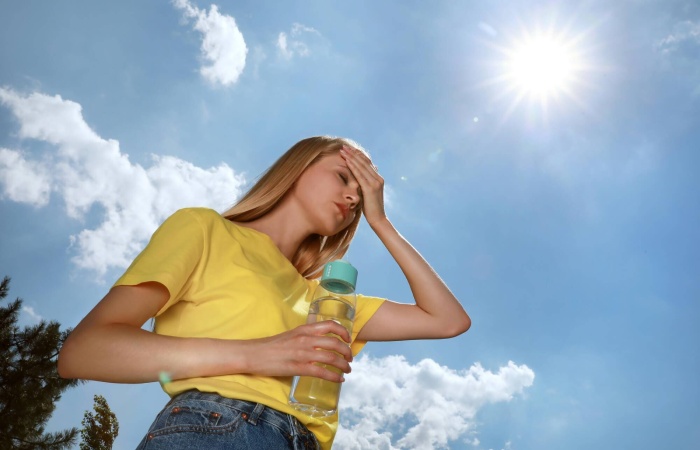
It is good to know the difference between heat exhaustion and heat stroke. The way you treat these two is different. Heat tiredness is not as bad as heat stroke. A person can get heat exhaustion after being out in high temperatures. When someone has heat exhaustion, they may sweat a lot. Their body temperature may stay close to normal. If you do not treat heat exhaustion, it can turn into heat stroke.
Heat stroke is a medical emergency. In this case, the body cannot cool down as it should. The chief sign of heat stroke is a body disease of 104°F or higher. A person may feel confused or act in ways that are not normal. A person may also pass out. It is important to watch for early signs of heat stroke. If you see them, get medical help fast.
Understanding the main modifications can help you make good choices. Here is a quick breakdown:
| Feature | Heat Exhaustion |
Heat Stroke |
|
Body Temperature |
Near normal, possibly slightly elevated | 104°F (40°C) or higher |
|
Sweating |
Heavy sweating |
Skin may be hot and dry (classic) or sweaty (exertional) |
|
Mental State |
Dizziness, weakness, feeling faint |
Confusion, agitation, slurred speech, unconsciousness |
| Medical Urgency | Serious, requires immediate cooling and rest |
Life-threatening medical emergency, call 911 immediately |
Recognising Early Signs and Symptoms of Heat Stroke
Knowing the symptoms of heat stroke is very important. A quick response can help save a life. Heat stroke can happen fast. It often happens after strenuous activity or after direct sun exposure. But it can also happen if you are sitting in a hot place. So, it is good to know the symptoms of heat stroke. Act quickly if you notice them.
You need to know the most common signs of heat in yourself and other people. This is the first thing you should do. These signs can show in your body and in how you feel or think. Let’s look at the main warning signs you must watch for. This goes for adults and kids. We will also talk about when you need to get medical help right away.
Common Warning Signs to Watch for in Adults and Children
The key symbol of heat stroke is a high body temperature. It is often more than 104°F. A person with heat stroke may feel hot, and their skin may be dry. This is not the same as heat exhaustion, where people often sweat a lot. But if heat stroke happens after hard exercise, the skin can feel sweaty.
A change in how a person acts or thinks is an important sign of heat stroke. A person with heat stroke may feel confused or upset. They could feel angry, talk in a way that is hard to follow, or say things that do not make sense. Some people may also have seizures or pass out. These brain problems are what make heat stroke different from other forms of heat illness that are less serious.
Other signs can be seen with this risky problem. You need to watch for these if you or someone else begins to show them.
- A fast and racing heartbeat
- Quick and short breaths
- Skin that looks red or flushed
- Headache, feeling sick, and throwing up
When to Seek Emergency Medical Attention
Heat stroke is very serious. It is a real medical emergency. You need to get quick help from a doctor for this. If you see any signs of heat stroke, you should act fast. These include confusion, high body temperature, or fainting. The most important thing to do is call 911 or your local emergency services number at once.
What you do now is very important while you wait for help. Move the person to a cool or shaded spot. If you can, take them inside. Try to lower their body temperature. You can sponge them with cool water. Put ice packets on the neck, armpits, and groin. A cool shower also helps. The goal is to cool them down fast.
Do not let the person drink anything. They may not be able to swallow safely. If they try to drink, the fluid can get into their lungs. Do not give them any fever medicine, such as acetaminophen. This will not help to treat heat stroke. It can even make the problem worse.
Prompt treatment is important. If you see signs of heat stroke, get the person to the emergency room right away.
Essential Prevention Tips for Beating the Summer Heat
The good news is that you can stop heat stroke most of the time if you do the right things. When it’s hot, you need to be careful. Plan to stay safe from heat illness. A few easy changes in how you go through your day can help you avoid getting too hot.
Good prevention means more than just staying out of the sun. You should drink enough water. Wear the right clothes for hot days. Try some easy ways to cool your body. Here are some key tips to help you stay safe and feel good in the summer.
Staying Hydrated and Choosing the Right Fluids
It is important to drink plenty of fluids. Drinking plenty of fluids assistances your body stay cool. Your body sweats well, and sweating helps keep your normal body temperature. Staying hydrated also protects your vital organs from heat stress. Drinking enough water every day is a good way to help keep your body temperature from rising too much.
Try to have plenty of water during the day, even if you do not feel like you need it. Sometimes, feeling thirsty means you are already low on water. If you work or exercise, you need to drink more fluids because you lose water through sweating. Having plenty of water can help lower your risk of heat exhaustion.
To keep safe and have enough water during extreme heat, there are a few things you need to keep in mind:
- Do not drink drinks that are full of sugar or alcohol. These drinks can make you lose additional water.
- If you plan to work out a lot, sports drinks can help you. They replenish the salts your body loses when you sweat.
- Try to eat fruits and vegetables. They contain a lot of water and can help you get more fluids.
- Keep a water bottle with you. It will help you remember to drink water throughout the day.
Clothing, Shade, and Practical Cooling Strategies
What you wear can make you feel cool. Try to wear loose, light clothes. Choose clothes in light colours. Pick cotton or linen, as these help the air move over your skin. These help your sweat dry faster, so your body cools down.
To keep the sun out, wear a wide-brimmed hat. Put on sunglasses too. Always use sunscreen with a high sun defense factor for good sun care.
What you wear is important, but it is not all that matters. It is good to stay in the shade and not spend too much time in the sun. Try to go out early in the morning or in the evening. These are the cooler parts of the day. If you must do something outside, plan to be active during these times. Be sure to take frequent breaks in a cool and shaded place. This can help prevent your body from overheating and may help keep you from getting heat cramps.
If you do not have air conditioning in your home, there are still things you can do to feel cool when it gets hot. You can go to the library, the mall, or the community centre during heat waves. These places can help you stay safe in the heat. Here are some other good ways to keep cool:
- Take cool showers or baths. This helps lower your body temperature.
- Use fans to move air around the room. If you do not have air conditioning, fans may not work as well during extreme heat.
- Put cold, wet towels on your head, neck, and armpits. This can make you feel better quickly.
- Try to stay inside where there is air conditioning on the hottest days.
Conclusion
Now that we have talked about health tips to stop heat stroke in the summer, you can see that the best thing is to be ready. You need to know the risks, watch for the signs, and act before the problem gets serious. This helps protect all in your family when it gets hot. Make sure you drink plenty of water, wear the right clothes, and pay attention to what your body is telling you. Doing all of this will help keep you well. Heat stroke can be risky, but you can handle it if you make good choices.
It does not matter how hot the weather is; your health should always come first. Be safe and have a good summer. If you need help or have a question, feel free to ask for a free talk at any time.