
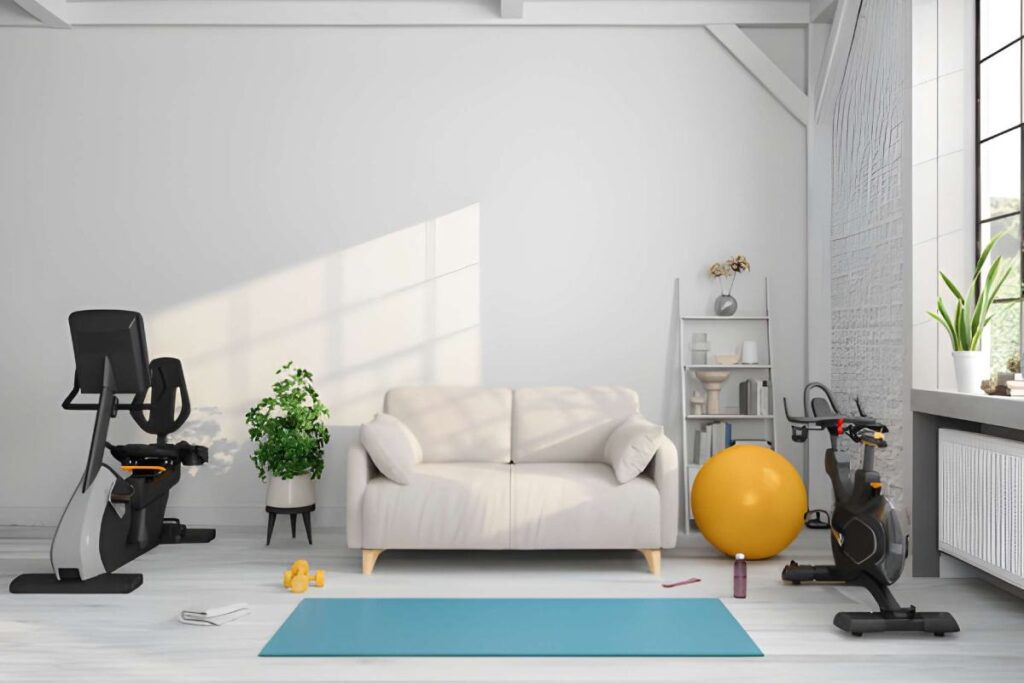
Creating a home gym doesn’t require an entire room packed with expensive machines. Many effective setups start with just a few versatile pieces of equipment and a clear plan for consistent training. When exercise is easily accessible at home, people are more likely to stick to a routine. Over time, those regular workouts contribute to better physical health, increased mobility, and higher daily energy levels.
Consistency is one of the most important factors for achieving long-term fitness success. A home gym eliminates common barriers to exercise, such as commute times, crowded facilities, and scheduling conflicts. When your equipment is just a few steps away, it becomes easier to squeeze in short workouts throughout the day. Even brief sessions—if performed regularly—can significantly improve strength, endurance, and overall well-being.
Creating a space that encourages movement helps make exercise a natural part of daily life. Rather than relying solely on motivation, the environment automatically supports healthy habits. A well-designed home gym becomes a place where workouts feel practical rather than difficult. This shift often leads to a stronger, more lasting commitment to physical activity.
Choosing the Right Space for a Home Gym
The first step in setting up a home gym is identifying a practical location within your home. This space does not need to be large or completely isolated from other living areas. Many effective setups can be created in garages, spare bedrooms, basements, or even small corners of living spaces. The primary requirement is having enough room to move safely while exercising.
Illumination and ventilation play a vital role in creating a comfortable workout environment. Natural light can boost your disposition and make workout sessions more enjoyable throughout the day. Good air circulation also helps regulate temperature during longer workouts or high-intensity sessions. Often, small improvements to your surroundings can make a big difference in the consistency of your workouts.
Flooring is another important factor in designing a home gym space. Protective rubber mats help reduce noise while safeguarding both the floor and the equipment from potential damage. Furthermore, they enhance stability when performing strength exercises such as squats, presses, and lunges. A firm surface promotes safer exercise execution and boosts overall confidence during workouts.
Choosing Equipment That Allows for Versatile Workouts
A well-planned home gym focuses on equipment that facilitates a wide variety of exercises. Adjustable dumbbells, resistance bands, kettlebells, and a sturdy weight bench offer great versatility for strength training. These tools allow users to work out almost every major muscle group without taking up too much space. Having versatile equipment makes it easier to maintain a varied and effective training routine.
Cardiovascular equipment can also enrich a home gym setup. Rowing machines, stationary bikes, and treadmills help maintain cardiovascular fitness year-round. These machines allow you to continue training even when weather conditions limit outdoor activities. Combining strength exercises with cardiovascular training improves overall physical fitness and endurance.
Choosing durable equipment is one of the most important decisions when building a home gym. Strength machines and cardiovascular equipment should facilitate consistent training while optimising available space. Comparing different types of machines and researching reliable suppliers can help narrow down your options. Equipment guides and training resources available from Fitness Superstore can help you evaluate long-term training setups.
Creating an Exercise Routine That Fits Your Daily Life
A home gym is most effective when it aligns with a realistic training schedule. Complicated programs often fail because they are difficult to sustain over time. Many people benefit from working out three or four times a week. This frequency allows the body to build strength and endurance gradually while avoiding overexertion.
Full-body workouts work exceptionally well in a home gym setting. Exercises that engage multiple muscle groups help maximise efficiency and reduce the overall duration of the session. Movements such as squats, presses, rows, and core exercises lay a solid basis for overall physical fitness. These compound movements also improve balance and coordination.
Brief workout routines can yield impressive results if performed consistently. A focused session of twenty to thirty minutes can stimulate muscle growth and recover cardiovascular health. The convenience of a home gym makes it easier to perform these short sessions regularly. Ultimately, consistency produces greater long-term progress than infrequent, long workouts.
Designing an Inviting Workout Environment
An organised and comfortable workout space encourages people to exercise more frequently. Cluttered environments can create distractions and diminish the motivation to start exercising. Keeping equipment tidy and easily accessible eliminates unnecessary friction before a routine begins. Often, small organisational improvements lead to greater consistency.
Mirrors can help refine exercise technique and improve postural awareness during a workout. Observing movement patterns allows for adjustments that reduce the risk of injury. Furthermore, mirrors make smaller workout spaces appear brighter and more spacious. This visual effect can make the environment feel more inviting for regular exercise.
Music can also help create a motivating training environment. Many people find that listening to music enhances their concentration and energy while exercising. A small speaker or a playlist can transform the atmosphere of a workout session. These environmental details make the space feel more enjoyable.
Promoting Recovery and Long-Term Health
Exercise is just one part of a balanced fitness routine. Recovery strategies help the body adapt to training and prevent injuries over time. Stretching, range-of-motion exercises, and light recovery sessions promote joint health and muscular flexibility. These habits allow for consistent training without placing unnecessary strain on the body.
Sleep also plays a vital role in retrieval and overall health. Adequate rest allows muscles to repair themselves and energy levels to replenish between training sessions. Likewise, regular exercise often improves sleep quality. When combined, training and adequate rest support long-term physical performance.
Nutrition and hydration further enhance the benefits of regular exercise. A balanced diet—rich in protein, complex carbohydrates, and healthy fats—helps provide the energy needed for both workouts and recovery. Drinking enough water throughout the day also improves physical performance. These lifestyle habits work together to support sustainable physical fitness.
Building a Sustainable Fitness Lifestyle
A home gym exists to support habits that can be sustained for years. The goal is not to create the most elaborate or expensive workout space possible; rather, focus on creating an environment that encourages regular movement. Simple setups often lead to the most consistent exercise routines.
Over time, small improvements in strength, endurance, and mobility begin to accumulate. Regular movement promotes better posture, greater mental clarity, and higher daily energy levels. These benefits extend beyond the workout itself, influencing overall quality of life.
Through thoughtful planning and practical equipment selection, a home gym can become a influential tool for living a healthy life. The key lies in creating a space that eliminates barriers to exercise and fosters consistent activity. When movement becomes an integral part of the home environment, maintaining a healthy lifestyle becomes much simpler.