
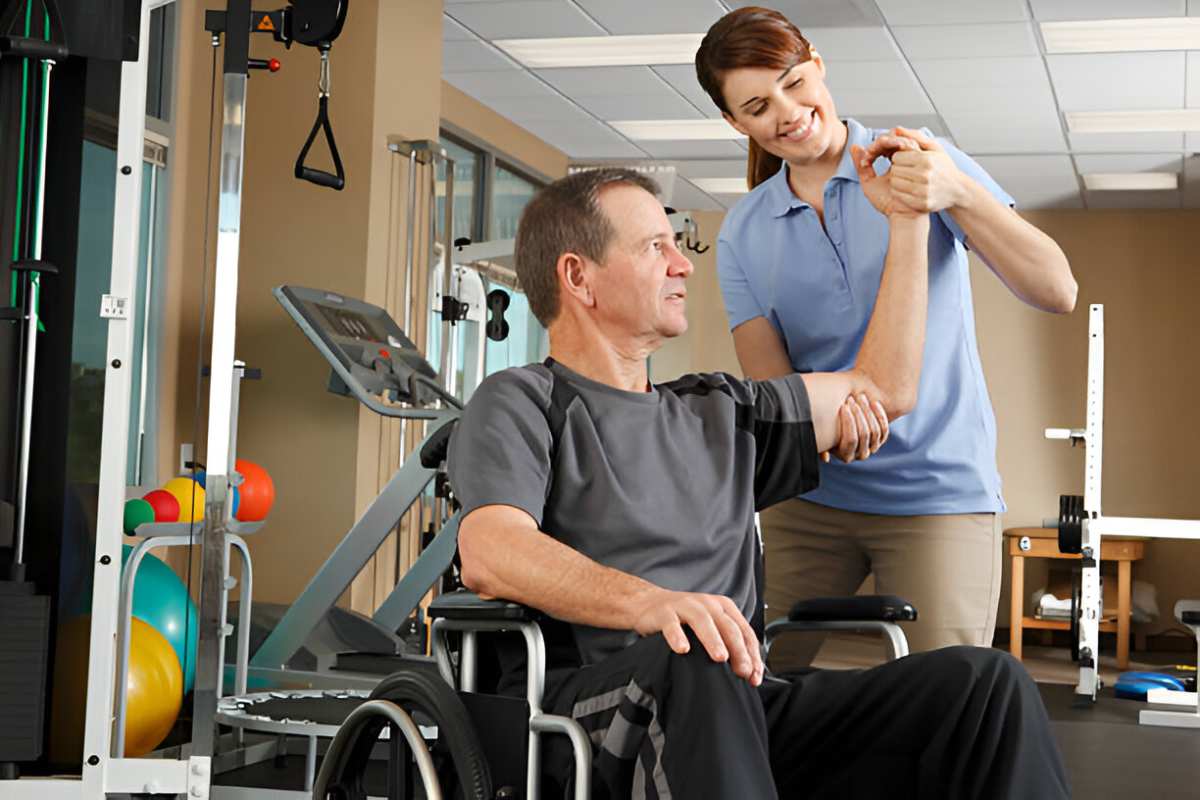

Physical therapy plays a vital role in child development, especially with physical disabilities such as childhood cerebral palsy. It is essential for developing motor skills, increasing mobility and developing independence. Early intervention with physical therapy can significantly impact the child’s development, helping them develop their potential and overcome physical difficulties.
For children with a diagnosis of childhood cerebral palsy, physical therapy takes on even greater importance. Childhood cerebral palsy is a neurological condition that affects motor function, muscle tone and coordination. It is due to brain damage at an early stage of development, which often results in motor disabilities. In these cases, physical therapy addresses motor problems, helps improve quality of life, and prevents secondary complications.
How Physical Therapy Supports Pediatric Development
Physical therapy helps children improve the muscle strength, coordination, balance and flexibility needed for daily activities such as walking, dressing and playing. In the case of children with cerebral palsy, physical therapy pursues specific goals according to their individual needs, paying special attention to functional movement and maximum independence.
This is how physical therapy helps your child develop:
1. Mobility and Motor Skills Development
The primary focus of physical therapy in paediatrics is the development of motor skills and mobility. In children with cerebral palsy, physical therapists work to develop both gross motor skills (such as crawling, standing, and walking) and fine motor skills (such as the aptitude to hold a pencil or eat independently). Specialized techniques, exercises and assistive devices help strengthen muscles, improve coordination and reduce muscle stiffness, which is especially important for children with spasticity, a common symptom of intellectual palsy.
With reliable therapy, children with cerebral palsy can learn to use adaptive devices such as walkers or corsets, significantly improving their ability to move independently. Physical therapists teach children how to use these devices effectively and safely, allowing them to participate in daily life and gain greater freedom of movement.
2. Prevention of secondary complications
Children with cerebral palsy often experience various complications, such as muscle contractures, joint deformities and scoliosis (curvature of the spine). Physical therapy prevents these secondary complications and improves joint mobility, muscle flexibility, and posture.
For example, stretching exercises can help prevent muscle contractures when muscles are constantly tense and shortened due to a lack of movement. Regularly performing stretching and muscle-strengthening exercises, physical therapists can reduce the risk of emerging these painful and debilitating problems, allowing children with cerebral palsy to maintain a greater range of motion and flexibility.
3. Strength and endurance development
Physical therapy is critical to developing the strength and endurance needed for daily life. For children with cerebral palsy, developing these skills is especially important, as many experience muscle weakness and fatigue. Physical therapists use exercises targeting key muscle groups to increase strength and endurance, which improves balance, gait and other skills.
Muscle-strengthening exercises can also help children with cerebral palsy improve posture and reduce the risk of falls or injuries. They can perform physical activity as they increase muscle strength and endurance, contributing to better overall health and development.
4. Improved coordination and balance
Children with cerebral palsy often have difficulty coordinating movements and maintaining balance. Physical therapy helps improve these skills with exercises and classes to train balance and coordination. For example, therapists may use exercises such as walking on an uneven surface, playing with a balance bar, or practising sitting and standing positions to improve stability.
By working on these skills, children with cerebral palsy can improve their ability to perform basic activities such as walking, climbing stairs, or running. This can meaningfully improve your independence and quality of life.
5. Fostering socioemotional development
Physical therapy addresses physical problems and plays a vital role in children’s socio-emotional development. For many children with cerebral palsy, participation in treatment provides the opportunity to interact with other children and therapists in a conducive environment. It also fosters self-confidence as children reach important milestones and hone their skills.
Improving mobility and motor function with physical therapy allows children with cerebral palsy to interact more effectively with their peers and participate in recreational activities, which promotes positive social experiences and emotional growth.
6. Individualised Treatment Plans
One of the most important benefits of physical therapy for children with cerebral palsy is that it is tailored to each child’s individual needs. No two children are alike, and their needs vary depending on the severity and type of illness. Physical therapists assess each child’s specific problems and goals and develop an individualised treatment plan to develop their motor skills and achieve developmental milestones.
These personalised plans ensure that each child receives the most effective therapy, tailored to their unique needs, maximising their potential for growth and independence.
Conclusion
Physical therapy is an integral part of child development, especially in children with cerebral palsy. It is crucial in improving mobility, strengthening strength, preventing problems and improving overall quality of life. Through individualised treatment plans, physical therapy helps children reach their developmental goals, promotes greater independence and allows them to participate fully in everyday life.
The earlier physical therapy is started, the greater its benefits will be, especially for children with cerebral palsy. By addressing motor impairments early, physical therapy can significantly impact the child’s long-term health, mobility and well-being, allowing them to live a more active and whole life.
Also Read:Top 5 Med Spa Treatments for Glowing Skin in Plano
