
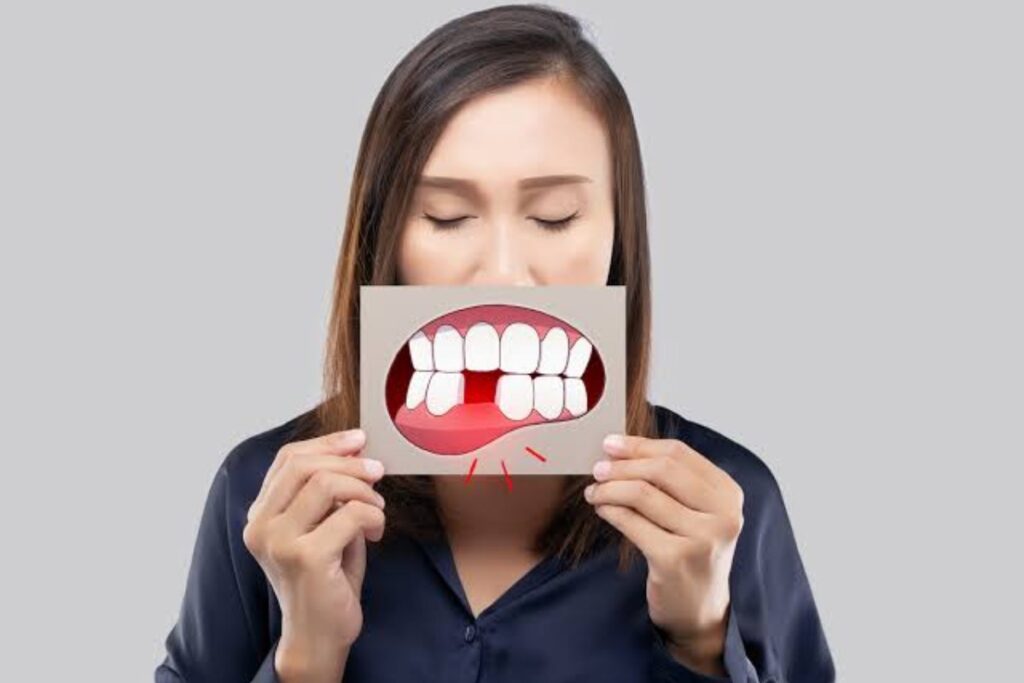
When you lose a tooth, your initial thought often focuses on the visible space in your smile. However, significant structural changes begin taking place beneath your gumline immediately after tooth extraction or loss. Securing high-quality dental implants in Burlington restores the visible appearance of your smile while protecting your underlying bone structure. The tooth root provides vital stimulation to your jaw tissue every single day.
Without this essential mechanical signal, the bone structure beneath your missing tooth naturally begins to shrink away. Understanding the science behind jawbone degradation enables you to make fully informed decisions regarding your long-term oral health.
Why Does Tooth Loss Affect Your Jawbone?
Your jawbone relies on a continuous relationship with your teeth to maintain its density and volume. Tooth roots anchor deep within the bone and actively transmit functional forces every time you bite, chew, or speak.
Much like muscles that weaken without exercise, bone tissue requires this regular pressure to stay strong. Biting forces instruct your body to deliver essential nutrients, calcium, and blood flow directly to the jaw.
When a tooth is lost, that mechanical stimulation stops completely. Recognizing the absence of a root, your body reabsorbs the unused bone minerals and tissue elsewhere—a natural phenomenon known as bone resorption. Replacing lost teeth promptly prevents this progressive degradation and protects your jaw structure.
How Does Tooth Loss Affect Your Jawbone?
The consequences of tooth loss extend far beyond a gap in your smile. Bone deterioration sets off a progressive chain reaction throughout your entire mouth.
Bone Loss Begins Soon After Tooth Loss
Bone degradation starts almost immediately after a tooth extraction. Within the first year following tooth loss, your jawbone can lose up to twenty-five percent of its overall width in that area.
The Jawbone Starts to Shrink
As time moves forward, the height and density of your bone continue to diminish steadily. The jaw ridge becomes progressively thinner and lower, which fundamentally changes the shape of your oral foundation.
Nearby Teeth Shift Out of Place
Your teeth rely on one another to maintain their proper positions within the arch. When a gap opens up, neighboring teeth slowly tilt, lean, or drift into the vacant space.
Your Bite Changes
As surrounding teeth shift out of position, your upper and lower arches lose their natural alignment. This misalignment often leads to uneven wear on remaining teeth, potential jaw pain, and stress on your temporomandibular joint.
Your Facial Appearance May Change
Your jawbone directly supports the structural skin and muscle tissue of your lower face. As bone volume shrinks, your cheeks can collapse inward, your lips may flatten, and the distance between your nose and chin decreases, which can cause premature facial aging.
Chewing and Speaking Become More Difficult
A shrinking jawbone and misaligned bite directly reduce your chewing efficiency. Digesting dense foods becomes challenging, and subtle shifts in tooth position can alter speech articulation and clarity.
What Factors Can Speed Up Jawbone Loss?
While bone resorption naturally occurs following tooth loss, specific clinical factors can accelerate the rate of degradation.
- Number of Missing Teeth: Losing multiple adjacent teeth removes stimulation from a larger area, causing faster bone deterioration across the arch.
- Duration of Tooth Loss: Leaving a tooth unreplaced for several years allows bone resorption to advance continuously, resulting in significant tissue loss.
- Gum Disease and Oral Health: Active periodontal disease destroys bone tissue surrounding natural teeth, compounding the loss caused by missing roots.
- Lifestyle Factors Such as Smoking: Tobacco use restricts proper blood flow to your gums and underlying bone, slowing tissue recovery and accelerating bone loss.
How Dental Implants Help Prevent Jawbone Loss
Dental implants provide the premier medical solution for tooth loss because they closely replicate the anatomy of a real, functional tooth.
Replace the Missing Tooth Root
Unlike traditional tooth replacement methods, a dental implant utilizes a medical-grade titanium or zirconia post inserted directly into your jawbone. This post functions as an artificial tooth root.
Stimulate the Jawbone Naturally
Once placed, the implant post restores the missing mechanical forces. As you chew, the post transfers pressure directly into your jaw tissue, signaling your body to keep the bone healthy and dense.
Help Maintain Bone Volume
By restoring necessary functional forces, dental implants halt the bone resorption process entirely. This intervention halts jawline shrinkage and protects the natural volume of your bone.
Restore Normal Chewing Function
Dental implants anchor firmly into your bone structure, allowing you to chew tough, healthy foods with the exact same strength and stability as natural teeth.
Support Long-Term Oral Health
Implants stand independently without requiring support from adjacent teeth. They preserve healthy neighboring teeth while keeping your facial structure supported and youthful over your lifetime.
Other Tooth Replacement Options
To fully appreciate the advantages of dental implants, you should understand how alternative tooth replacement treatments function.
1. Dental Bridges
A traditional bridge uses adjacent natural teeth as support anchors to suspend a prosthetic crown over your gap. While a bridge fills the visible space and restores biting surface, it sits entirely above the gumline and leaves the underlying bone without root stimulation.
2. Removable Dentures
Removable full dentures rest directly upon your delicate gum tissue. They replace an entire arch of missing teeth, but they exert external surface pressure on your gums rather than internal stimulation within the bone, which can actually accelerate bone wear over time.
3. Partial Dentures
Partial dentures use metal clasps to anchor onto surrounding natural teeth. Similar to full dentures, they sit on top of the gums and do not replace missing root structures beneath the surface.
Dental Implants vs. Other Tooth Replacement Options
| Performance Category | Dental Implants | Traditional Bridges | Removable Dentures |
| Jawbone Preservation | Stops bone loss by replacing the root | Does not prevent underlying bone loss | Accelerates bone loss through surface pressure |
| Stability and Comfort | Fused to bone; zero slipping or shifting | Anchored to neighboring teeth | Can slip, shift, or cause sore spots |
| Impact on Surrounding Teeth | Leaves healthy adjacent teeth untouched | Requires grinding down adjacent enamel | Puts physical strain on supporting anchor teeth |
| Appearance & Function | Looks, feels, and functions like natural teeth | Looks natural but lacks root support | Can look bulky and limit chewing ability |
| Lifespan & Maintenance | Can last a lifetime with standard oral care | Typically requires replacement every 10–15 years | Requires periodic adjustments or refitting |
When Should You Consider Dental Implants?
Timing plays a pivotal role in the success of your dental restoration and overall jaw integrity. Seeking treatment quickly after losing a tooth preserves maximum bone volume, prevents neighboring teeth from shifting, and avoids the need for extensive bone rebuilding later.
However, you can still successfully receive dental implants even if your tooth has been missing for years. If significant bone loss has occurred, modern procedures like bone grafting or sinus lifts can rebuild your foundation before placement. Advanced diagnostic tools, such as 3D CBCT imaging, allow dental professionals to precisely evaluate your structure and build a customized treatment plan.
Protecting Your Long-Term Oral Health
Tooth loss initiates a continuous process of jawbone resorption that can alter your bite, shift remaining teeth, and change your facial structure over time. Dental implants offer the only restorative treatment that directly replaces the missing tooth root, halts bone loss, and preserves your natural jaw structure.
At Burlington Family Dentists, our team utilizes advanced 3D imaging and precision implant techniques to ensure your treatment restores both full function and natural aesthetics. Replacing missing teeth with dental implants protects your oral health, preserves your facial integrity, and ensures a strong, confident smile for decades to come.
Frequently Asked Questions
How long does it take for the jawbone to shrink after losing a tooth?
Bone loss begins immediately after losing a tooth. You can lose up to twenty-five percent of your jawbone width in that specific location within the very first year.
Can jawbone loss be reversed?
Natural bone loss does not reverse itself spontaneously. However, dental surgeons can restore lost bone volume using targeted bone grafting procedures to rebuild a strong foundation.
Are dental implants the only option that prevents bone loss?
Yes. Dental implants are the only tooth replacement option that integrates directly into your jawbone to provide the internal stimulation needed to stop bone loss.
Can I get a dental implant if I have already lost bone?
Yes, you can still receive an implant. If your jawbone has thinned over time, a preliminary bone graft can restore the necessary bone mass to support the implant securely.
Do bridges or dentures stop jawbone loss?
No. Traditional bridges and dentures sit above your gumline and replace only the visible crowns of your teeth, leaving the underlying bone without root stimulation.
How long do dental implants last?
With proper daily brushing, flossing, and regular professional checkups, the titanium implant post can last a lifetime, while the attached crown typically lasts fifteen years or longer.