Clinical Documentation: One of the greatest tests in today’s health care setting is administrative overload. After-work efforts to fill in notes, update records, and handle documentation can extend well beyond working hours, creating significant professional fatigue and burnout. However, with the continued push for accuracy, compliance, and efficiency within health systems, clinicians are looking for ways to provide their patients with high-quality healthcare while minimizing after-hours charting time.
This burgeoning challenge has been driving the integration of AI solutions in health care, especially when it comes to intelligent documentation processes. Conversations are now being captured, structured patient information is organized, and structured records are created in real time with the help of AI-powered systems. These technologies are helping to redefine healthcare workflows, creating more balanced and efficient systems that ensure optimal operational efficiency and clinician well-being.
Ways AI-Driven Documentation Reduces Hours of Administration Work
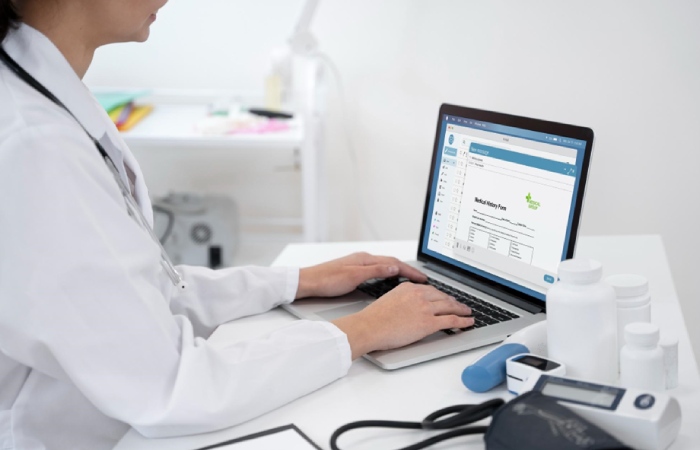
Create real-time clinical documentation automation.
Some of the most impactful benefits of an AI-enabled system are that it is able to record clinical notes during the patient encounter, not at the end. Conversations are captured, and medical information pertinent to the case is highlighted and transformed into structured notes, almost instantaneously, with the use of intelligent documentation tools.
This is a real-time solution that will minimize the pile of unfinished charting work at the end of the day. Clinicians can use organized records, rather than memorize or wait to enter notes after a consultation, so they can access them instantly, making them more efficient and accurate.
Automated documentation also reduces repetitive manual data entry and enables a smooth flow of work during the day. Adding documentation directly into patient interactions creates a more streamlined, less administratively burdensome environment for healthcare.
Decrease Cognitive Fatigue and Mental Overload
There’s constant juggling between patient care and administrative work when using manual charting methods. This continual mental switch-up raises mental fatigue and, over time, emotional exhaustion.
This burden can be alleviated with the help of AI documentation systems, which take care of a lot of the administrative work for you. This will free up more time for clinicians to dedicate to patient communication and Clinical documentation decision-making due to fewer repetitive tasks to attend to.
Minimize mental overload for greater concentration, quality of work, and overall efficiency. It also helps to create a healthier working environment by reducing the stress that is sometimes caused by too much after-hours documentation.
To get more accurate and save time
Accurately documenting patient information continues to be crucial for patient safety, billing precision, and adherence to regulations. But charting too quickly or too late can lead to partial notes or to some inconsistencies in documentation.
The real-time data collection and organization of structured data by AI-powered systems enhances accuracy. Symptoms, diagnosis, treatment plans, and follow-up information are consistently identified and documented.
This type of accuracy prevents unnecessary further changes and corrections in administration later in the process. Better records will save time and improve operational reliability among healthcare teams.
Simplifying Workflow integration between systems
A significant contributor to administrative inefficiency is the lack of integration between documentation systems, scheduling tools, and EHRs. Platform switching may result in time delays and other productivity disruptions.
AI documentation tools enable efficient integration into workflows through seamless integration with healthcare systems. The automatic generation, updating, and synchronization of notes across platforms helps minimize workflow disruptions and eliminate duplicate efforts.
Integrated systems provide better access to information and keep documentation up to date through the care process. This seamless coordination helps speed up the operations and also enhances the overall clinical experience.
Promoting Work-life Balance and Sustainability in the Long Run
After-hours charting can be very time-consuming and work overtime, which leaves little time for rest and recovery. This imbalance, over time, leads to burnout, low job satisfaction, and low sustainability in healthcare careers.
AI systems can reduce paperwork time and help re-establish more balanced work-life boundaries. On the job, charting can be done during normal working hours, relieving the clinician of the need to perform charting tasks after hours.
Better balance contributes to well-being and positively impacts healthcare organizations by enhancing retention, productivity, and more sustainable workflows. Burnout can drain the systems—both the workforce stability and the quality of care for patients.
End Point
Clinical documentation systems with AI capabilities are revolutionizing medical practices, streamlining documentation tasks and reducing post-work hours. Real-time automation, cognitive liberation, accuracy, smoother workflows, and better work-life balance are benefits of these technologies that can contribute to more sustainable clinical environments. With the ongoing transformation of healthcare, intelligent documentation tools are live a crucial role in enhancing clinical workflows and improving clinician well-being, leading to healthier, more balanced work experiences.